challenges of exchange for AI agents in complex systems
As artificial intelligence continues to evolve, the deployment of AI agents in complex systems has become increasingly common. These agents are capable of autonomous decision-making and action, often functioning within large networks of other agents or systems. A key aspect of their functionality is the exchange for AI agents, which refers to the communication and data-sharing between different agents to enhance cooperation and overall system performance. While this concept holds great promise, it also presents several challenges when applied within complex environments where the scale, diversity, and unpredictability of interactions can significantly complicate agent exchanges.
One of the primary challenges in the exchange for AI agents is ensuring interoperability. In complex systems, AI agents may be developed by different organizations, using various technologies, languages, and standards. When these agents attempt to exchange data or collaborate, differences in protocols or data formats can result in communication breakdowns. Creating universal standards for agent communication is difficult, especially in dynamic environments where requirements frequently change. Without seamless interoperability, the effectiveness of agent exchanges is limited, reducing the overall efficiency and value of the system.
Another major challenge is maintaining data security and privacy. The exchange for AI agents often involves sharing sensitive or proprietary information, especially in sectors like finance, healthcare, and defense. In complex systems, where many agents are involved and the sources of data are diverse, ensuring that data is transmitted securely becomes a formidable task. Moreover, determining what information should be shared, with whom, and under what conditions requires sophisticated policies and access control mechanisms. A single vulnerability in this process can expose the system to cyber threats or data leaks.
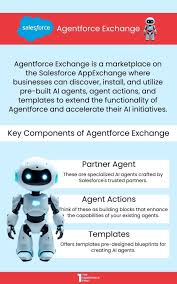
What are the challenges of exchange for AI agents in complex systems?
Scalability is also a significant concern. As the number of agents within a system increases, so does the volume of data exchanged and the frequency of interactions. Managing this growth without sacrificing performance is challenging. The infrastructure supporting the exchange for AI agents must be capable of handling high traffic, reducing latency, and preventing bottlenecks. In real-time systems, even slight delays can lead to suboptimal decisions or system failures. Designing scalable communication frameworks that support rapid agent exchanges is therefore essential but complex.
Trust and reliability between agents present another layer of difficulty. In complex systems, not all agents can be equally trusted, especially when they originate from different sources or have varying objectives. Establishing trust models, verifying identities, and validating the authenticity of data become crucial. The exchange for AI agents must be designed to assess and manage trust dynamically, which is technically challenging and resource-intensive.
Furthermore, the coordination of multiple agents can lead to conflicts or unintended behaviors. Without proper mechanisms for negotiation, consensus-building, or conflict resolution, agents might pursue goals that are misaligned, leading to inefficiencies or even system instability. The more complex the environment, the harder it becomes to anticipate and manage such interactions.
In conclusion, while the exchange for AI agents plays a critical role in enabling collaboration and functionality within complex systems, it introduces challenges related to interoperability, security, scalability, trust, and coordination. Addressing these issues requires robust design principles, advanced communication protocols, and ongoing oversight to ensure that agent interactions remain efficient, secure, and aligned with the overarching system goals.