Future of Automobiles
The future of automobiles is being shaped by a powerful combination of innovation and sustainability, as the world moves toward cleaner, smarter, and more efficient transportation. Rapid technological advancements, environmental concerns, and changing consumer expectations are all contributing to a transformation that is redefining how vehicles are designed, manufactured, and used. The traditional image of gasoline-powered cars dominating the roads is gradually giving way to a more diverse and eco-friendly landscape, where electric vehicles, connected systems, and intelligent mobility solutions are becoming the norm.
One of the most significant drivers of change in the automotive industry is the shift toward electric vehicles (EVs). With growing awareness of climate change and stricter emissions regulations imposed by governments worldwide, automakers are investing heavily in electric mobility. EVs offer a cleaner alternative to internal combustion engine vehicles, producing zero tailpipe emissions and reducing dependence on fossil fuels. Advances in battery technology are also making electric cars more practical, with longer driving ranges, faster charging times, and improved durability. As charging infrastructure continues to expand, concerns about range anxiety are gradually diminishing, making EVs more appealing to a broader audience.
In addition to electrification, the integration of smart technology is revolutionizing the way people interact with their vehicles. Modern automobiles are increasingly becoming connected devices, equipped with sensors, software, and internet connectivity that enhance both safety and convenience. Features such as advanced driver-assistance systems (ADAS), real-time navigation, and predictive maintenance are already improving the driving experience. Looking ahead, autonomous driving technology has the potential to reshape mobility entirely. Self-driving cars could reduce traffic accidents caused by human error, improve traffic flow, and provide mobility solutions for individuals who are unable to drive.
Sustainability is not only influencing how vehicles are powered but also how they are built. Automakers are adopting eco-friendly manufacturing processes and materials to minimize their environmental impact. The use of recycled materials, lightweight components, and sustainable production techniques is becoming increasingly common. Companies are also focusing on reducing carbon emissions throughout the entire lifecycle of a vehicle, from production to disposal. Circular economy principles, such as recycling and reusing components, are gaining traction as the industry seeks to create more sustainable supply chains.
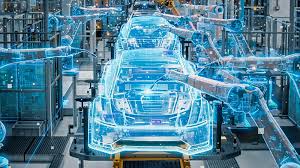
The Future of Automobiles: Innovation and Sustainability
Another important aspect of the future of automobiles is the rise of shared mobility and alternative transportation models. Urbanization and changing lifestyles are leading to a shift away from traditional car ownership, especially in densely populated cities. Ride-sharing services, car subscription models, and mobility-as-a-service (MaaS) platforms are providing more flexible and cost-effective transportation options. These solutions not only reduce the number of vehicles on the road but also contribute to lower emissions and less congestion. As cities continue to evolve, integrated transportation systems that combine public transit with shared mobility options are likely to become more prevalent.
The role of artificial intelligence and data analytics is also expanding in the automotive sector. Vehicles are now capable of collecting and analyzing vast amounts of data, which can be used to optimize performance, improve safety, and enhance user experiences. AI-powered systems can learn driver behavior, provide personalized recommendations, and even anticipate maintenance needs before issues arise. This data-driven approach is enabling manufacturers to create smarter, more responsive vehicles that adapt to the needs of their users.
Despite these advancements, the transition toward a sustainable automotive future is not without challenges. High production costs, limited charging infrastructure in some regions, and concerns about battery disposal and resource availability remain significant hurdles. Additionally, regulatory frameworks and public acceptance of new technologies, particularly autonomous driving, will play a crucial role in determining the pace of adoption. Collaboration between governments, industry stakeholders, and consumers will be essential to overcome these obstacles and ensure a smooth transition.
In conclusion, the future of automobiles is set to be defined by a commitment to innovation and sustainability. As electric vehicles become more widespread, smart technologies continue to evolve, and new mobility solutions emerge, the automotive industry is undergoing a profound transformation. This shift is not only about improving transportation but also about creating a more sustainable and efficient world. By embracing these changes, society can move toward a future where mobility is cleaner, safer, and more accessible for everyone.